What more than eighty-five years of doing this teaches you
That the design decisions matter more than the equipment. A plotter will cut whatever it is told to cut; knowing what to tell it — how big the phone number has to be, which color survives a New Jersey summer on a black panel, where a graphic will be scuffed by ladders — is the part that took generations to learn.
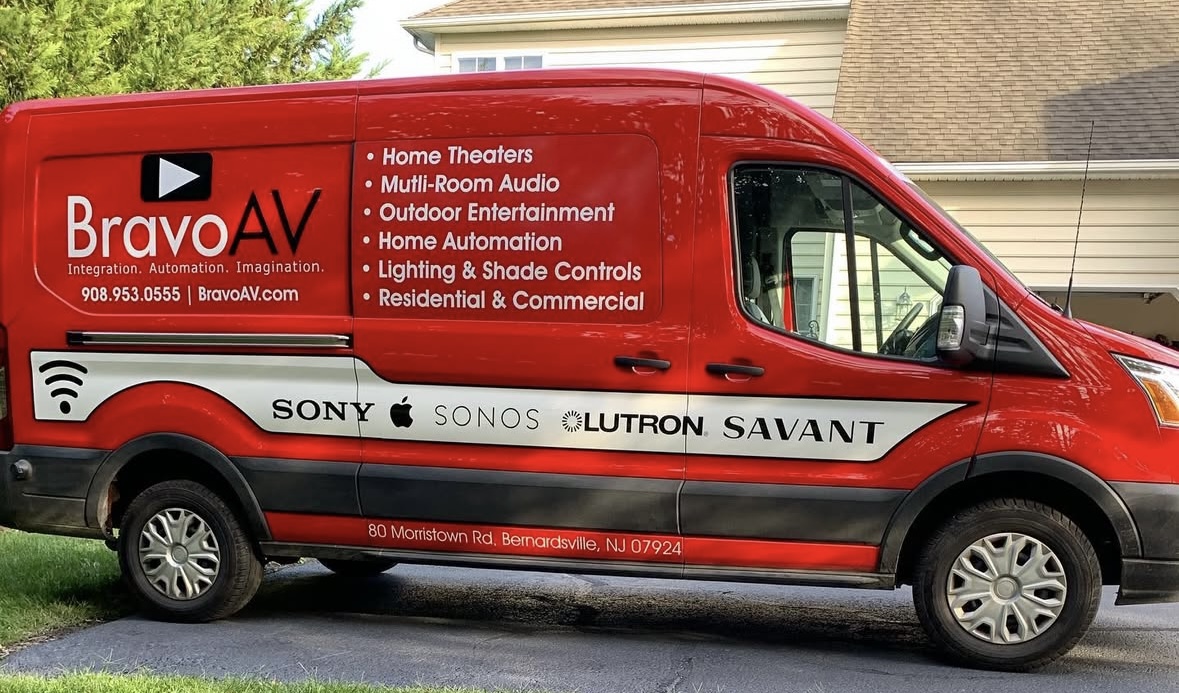
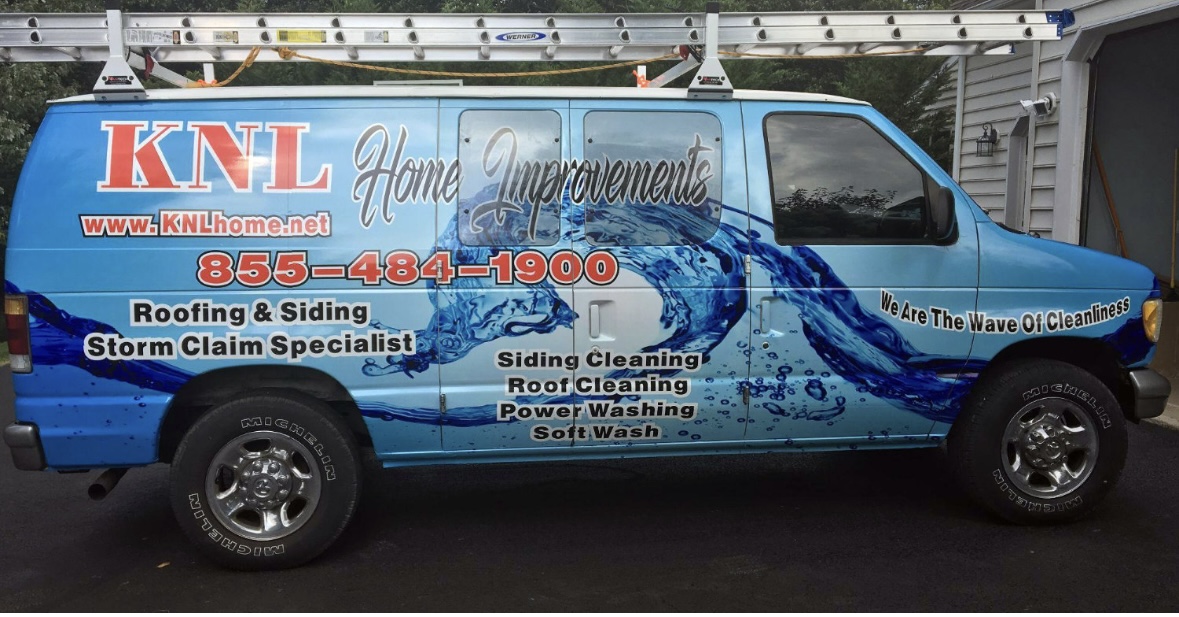
Hand-painted lettering imposed a discipline that vinyl quietly removed. When every letter cost time to draw, nobody put a paragraph on a truck. The result was vehicles that said one name, one trade and one number, in characters big enough to read from across a junction. Digital production made it effortless to add more, and a great many trucks on the road now carry text nobody has ever read.
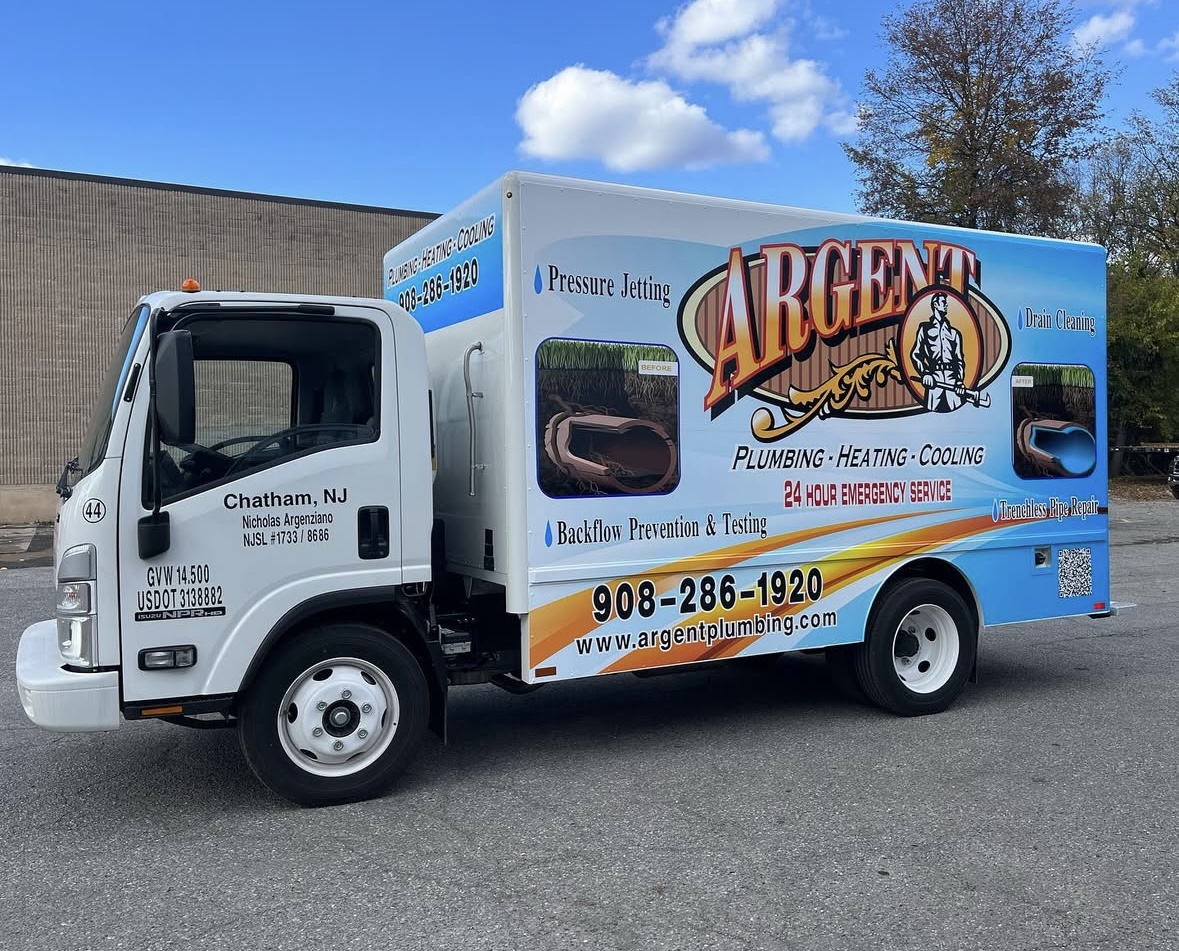
So the first thing we still do on every job is take things off the design. What has to be legible at forty miles an hour is the name, the trade and the phone number. Everything else — the certifications, the service list, the social handles — earns its place only if it does not compete with those three.
The second is material choice, and this is where a local shop has an advantage no catalogue reproduces. We know what a decal does after four winters of road salt on a plow truck, because we lettered that plow truck and we see it every year. Film selection here is based on vehicles we have watched age, not on a warranty document.
The third is knowing when to say no. Tonal grey-on-black lettering looks superb in a proof and fails the legibility requirement on a regulated vehicle. A full wrap on a truck the customer is selling in eighteen months is money spent in the wrong place. Turning down the more expensive option is how a business stays in one town for three generations.